
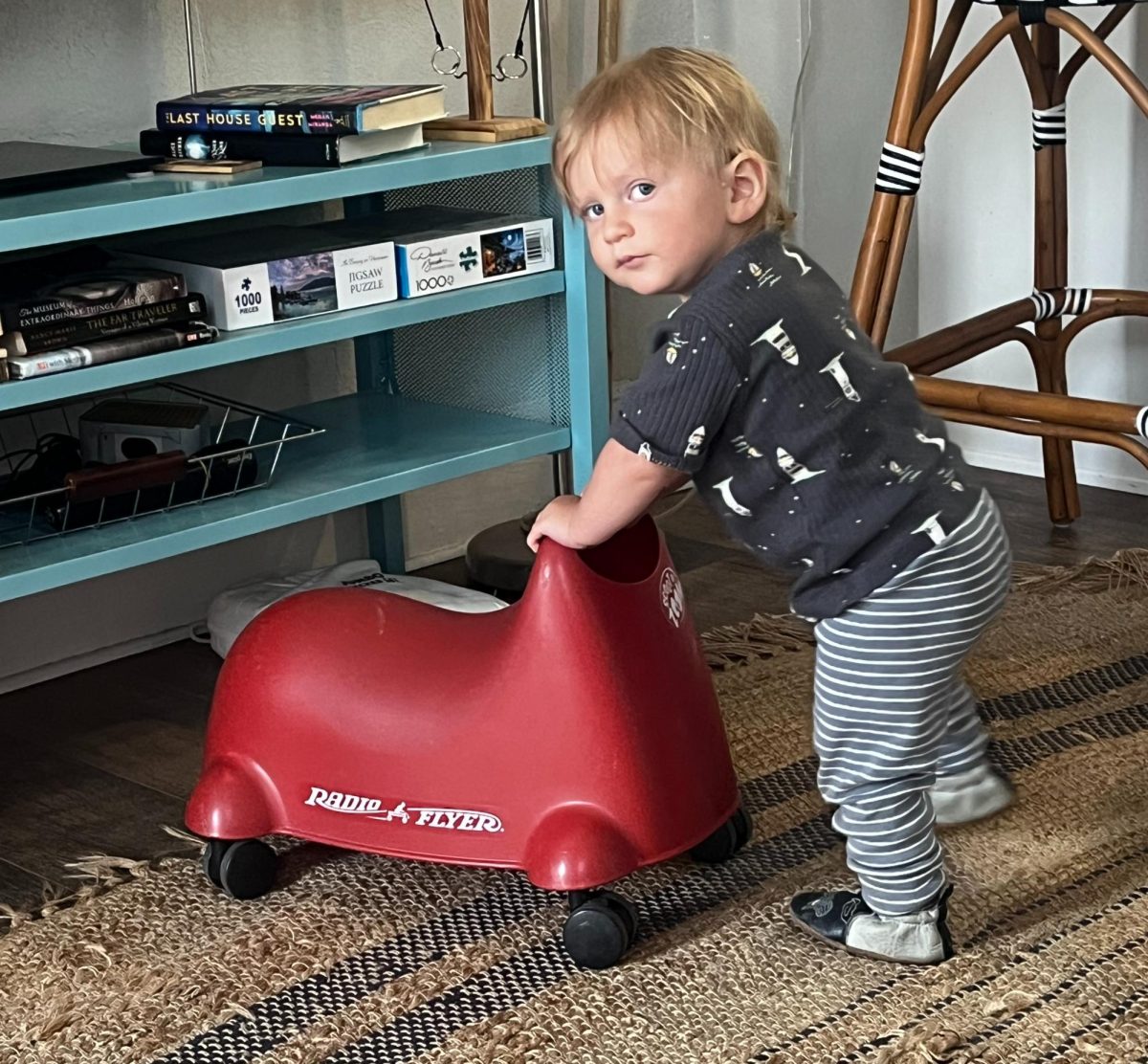
Throughout the past few generations, the desire to have children has gone down for several reasons. These include high financial cost, increased desire for personal independence, and global concerns like overpopulation, climate change, and not wanting to bring children into the world they live in. The question grows in my head if the next generation will continue these downward trends, or will they be more inclined to reproduce and make an effort to get back on track. While some teens imagine future families with excitement, others feel uncertain or completely uninterested in the idea, due to the pressure and uncertainty of growing up. Today, we are growing up in a world where expectations for parenthood are shifting, and some people are redefining what it means to start a family. By asking about different people’s experiences and expectations, we can hope to better understand if and why different people are uninterested in becoming parents.
In the early 1940s, the desire to have children in America, according to the Pew Research Center, reached an all-time high at 85%. This was caused by World War II ending and many surviving soldiers wanting to create a better life for themselves by starting a family. Since the baby boomer generation, the desire for the American population to have kids has only gone down with each generation. Generation X and Millennials combined to reach an all-time low of only 70%. This may not read like a big decline, but think of it as 100 million fewer people in America.
But what about our generation? What about Gen-Z? I sent out a form asking Boulder High School students if they saw themselves having children in their future, even if their timelines or expectations differ from past generations. About 75% of the students who responded said that they did, in fact, want kids someday. This idea suggests that starting and taking care of a family remains very meaningful for most of the student base. For a large portion of the kids, according to the feedback, the desire comes from wanting an emotional connection and a sense of purpose, since for most of them, having a family is what they are accustomed to, and was, for them, a model of long-term success and happiness.
When asked how many children they would feel comfortable with, 57% of students said they wish to have 2 kids, which could reflect the desire to have a balanced and manageable family size. These statistics highlight that even if lifestyles and priorities change, the majority of kids still wish to participate in having a family and raising children.
However, the remaining 25% of students who are unsure of having children, or don’t want them at all, often bring up concerns revolving around modern pressures that have been revealed in the past 10 years, such as the rising costs of living, childcare expenses, and the challenges that come with balancing your career as well as your family responsibilities. Others find themselves being morally uncertain about bringing a child into a world with climate change, political instability, and rapid social change. As some students learn more about their own mental health and personal boundaries, it leads them to feel more comfortable choosing a life where they don’t have to deal with parenthood. From their perspective, not wanting a child is a decision based on their values, goals, and what they see around them. These different viewpoints show how each student is their own individual, and how each experience can change their perspective on wanting to have children.
Whether students want children eventually comes down to each individual and how they perceive their own personal dreams, concerns, and, of course, the world they’re growing up in.