

Kajillionare: 5/5 stars
This artsy, bittersweet and heartwarming indie film from Miranda July is a true masterpiece. It is at once a cute romance, commentary on familial relationships, and exploration of the lives of people who fall through the cracks of society. The main character is as endearing as she is painfully awkward, and actress Evan Rachel Wood truly shows the pain of emotional neglect and the potential to grow from it. This film does deal with some heavy topics and portrays manipulative relationships, but it’s done in a thoughtful and poignant way and the heartache is redeemed by the vibrancy and quirk of main characters Old Dolio and Melanie. Kajillionaire will not be everyone’s cup of tea, but for those who can handle a heartrending storyline and wistful slow burn romance, this film is a beautiful and emotional journey that calls us to question the meaning of life, love, and whether a person can change who they are.
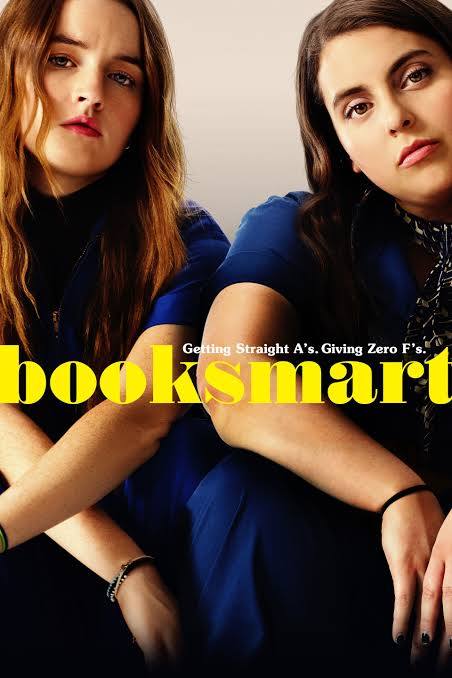
Booksmart: 2.5/5 stars
Apparently, this is a classic film for the queer audience, but in our opinion, it just about manages a mediocre rating. The best thing we can say about this film is that it walked so Bottoms could run. The characters are the annoying definition of the “nerdy and inexperienced” stereotype, though the acting is good and their friendship is believable and kind of cute (much better than the romantic subplots, which leave a lot to be desired). Overall, though, the whole movie feels like such a suspension of disbelief that it’s a hard watch. One of the things that is so surprising about this movie is that it feels kind of unremarkable in terms of queer representation, but this is what it’s most lauded for. With the exception of Amy, all the LGBT characters are very one-dimensional, and though the characters are supposedly extremely feminist, the movie shies away from any truly progressive plot twists and still falls into the classic rom-com trope, with both characters ending up with a love interest at the end. Despite the movie’s release in 2019, it feels more like a bad 2000s flick, with the most progressive thing in the movie being that its two main characters are nerdy high school girls who go to a party without undergoing a makeover (they’re both conventionally attractive to start).
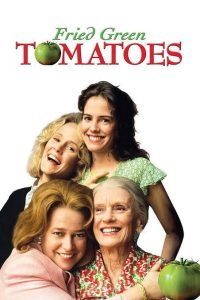
An Honorable Mention for Queer-Coding: Thelma and Louise and Fried Green Tomatoes
Before there were many films with openly LGBT relationships, prior even to the release of But I’m a Cheerleader or Brokeback Mountain, sapphics still had queer-coding. Both Thelma and Louise and Fried Green Tomatoes feature a “best friends” relationship between two strong and very lesbian-coded women. So, no, we can’t classify these as queer romances – technically, despite (spoilers) a kiss between Thelma and Louise at the end of the film and Idgie and Ruth living together and expressing their love for each other multiple times. But clearly, from a sapphic’s perspective, these films can be viewed as love stories, and are personal favorites of ours.
Thelma and Louise is definitely the better-known film of the two. It won multiple Academy Awards in the 90s and has been loved by audiences for decades as a fun, engaging action flick. Viewers can’t help but root for the strong female characters on the lam. However, the majority of the men in this film are portrayed as predatory and exploitative, including some violent scenes. Overall, though, the movie retains a hopeful, humorous tone while dealing with heavy topics. It’s a chick flick classic, a modern Western, and a story about female independence and love… between “friends,” of course.
Fried Green Tomatoes is actually based on a romance novel written by lesbian author Fannie Flagg, but in the Hollywood-style adaptation starring Kathy Bates, the love story gets reduced to a bond between best friends. This was probably done to increase box office success, but the chemistry between the talented actresses and coming-of-age characters is still undeniable. Though problematic in some scenes, with white characters romanticizing the race and class tensions of the pre-Depression Deep South, on the whole, the movie is a story about love, coming of age, finding yourself, and best friends.
Both of these movies show physical and sexual abuse, murder, and interestingly, they also both feature one masc-dressing, brash female character who saves the more feminine, soft-spoken one from an abusive man for reasons that can only be called “love.” It’s an interesting stereotype of lesbian relationships in movies that somehow insist the women are just friends. These movies are worth a watch, with big-studio production making them accessible to wide audiences while containing some depth for those in the queer community.